Product Design
I've designed experiences used by millions across healthcare, philanthropy, and construction technology while working cross-functionally with multiple teams.

UnitedHealthcare - Choice Enrollment
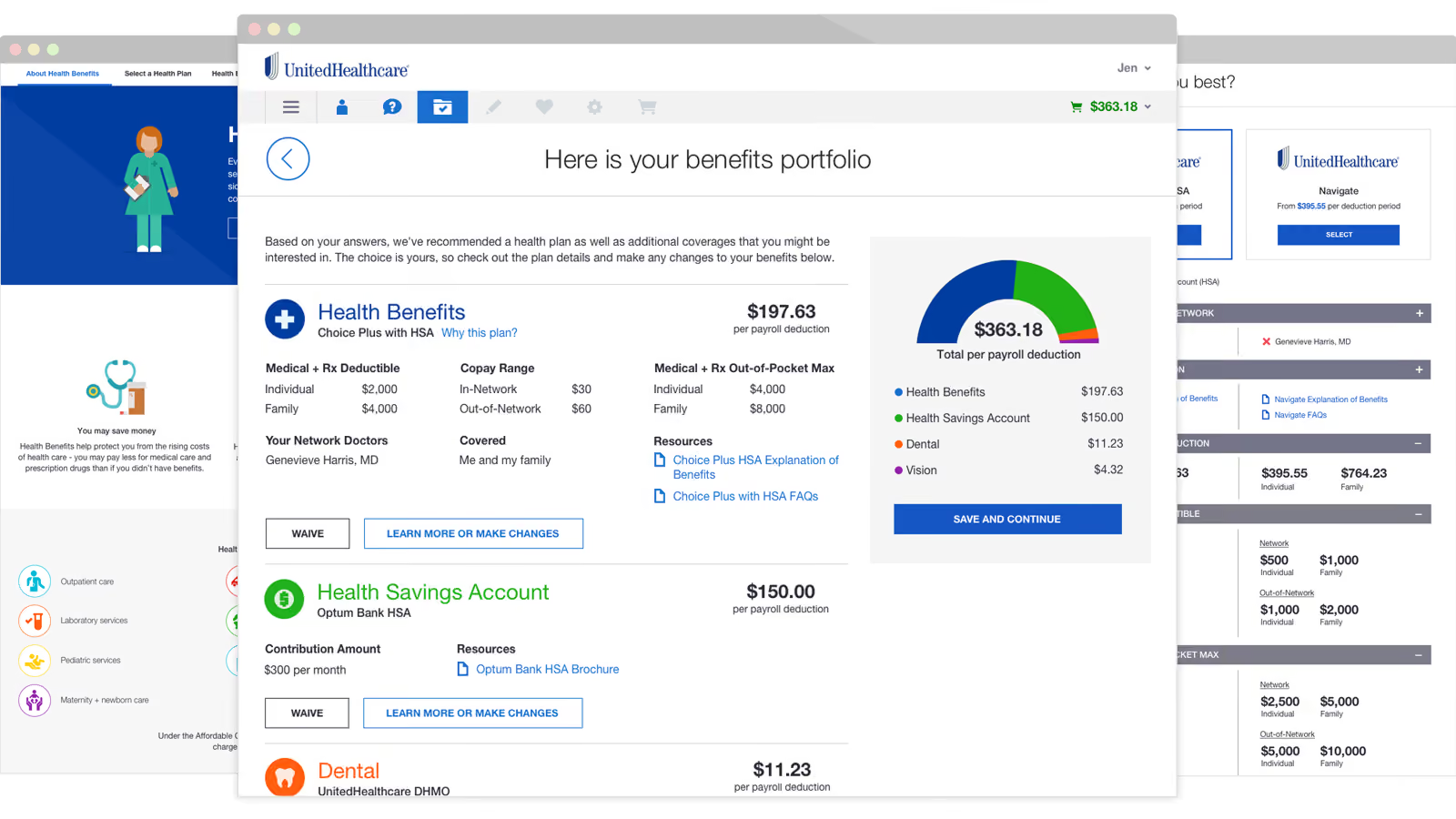
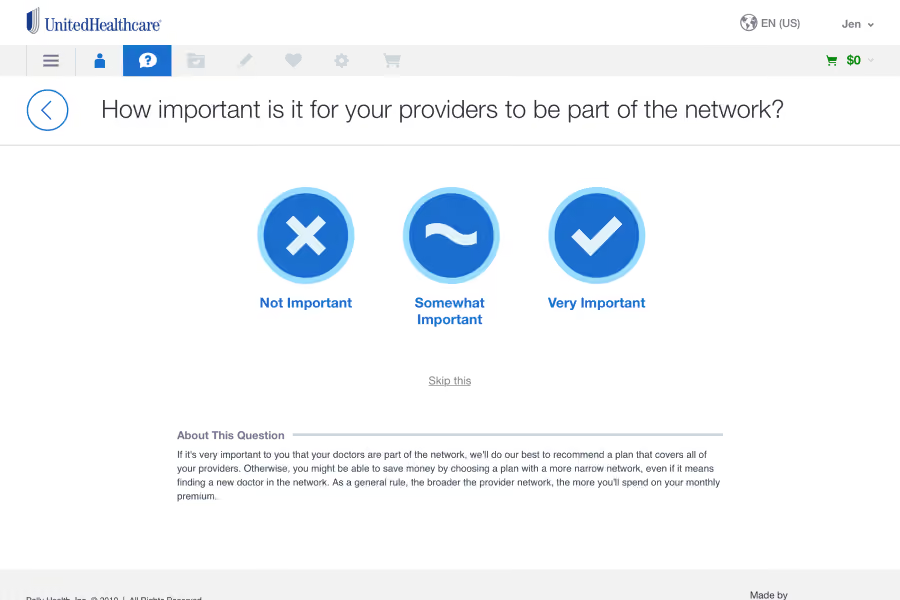
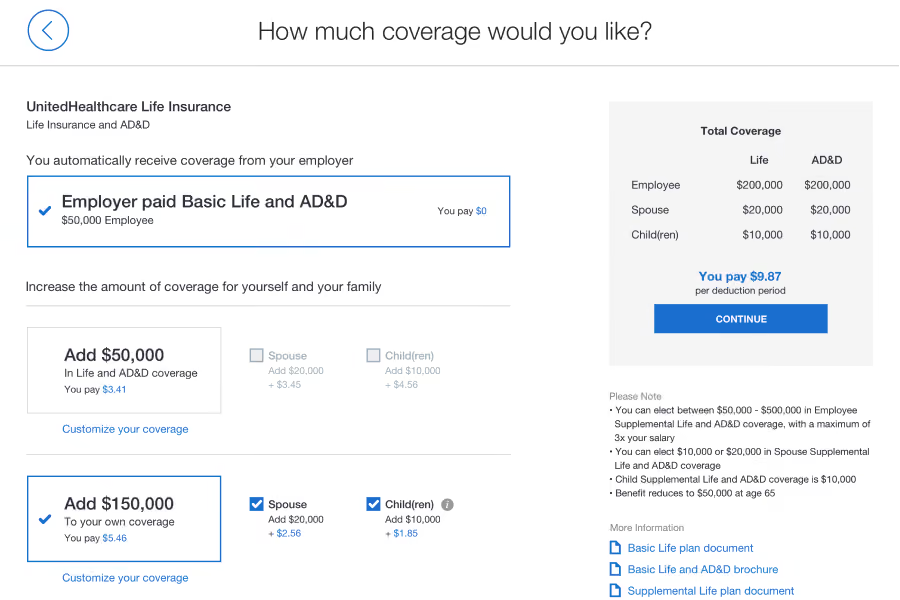
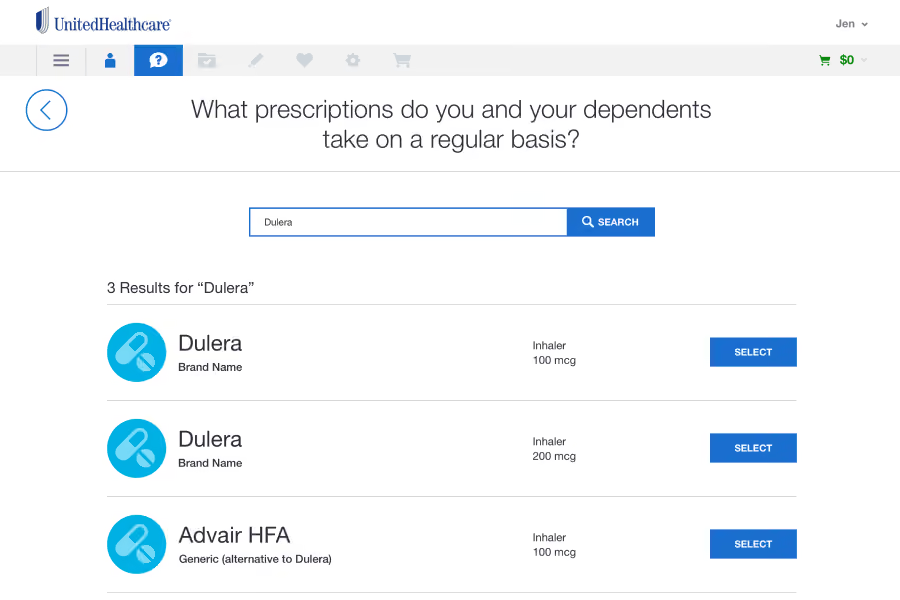
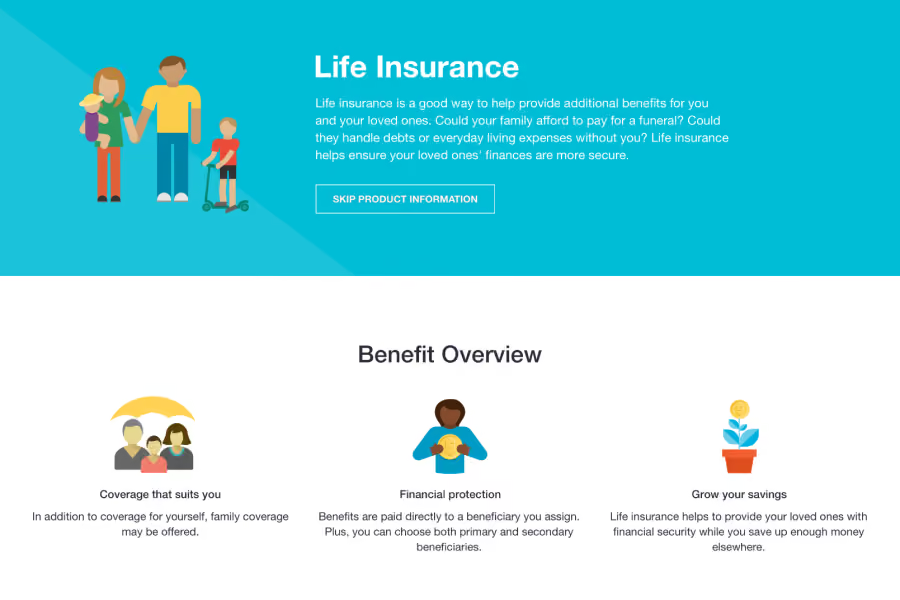
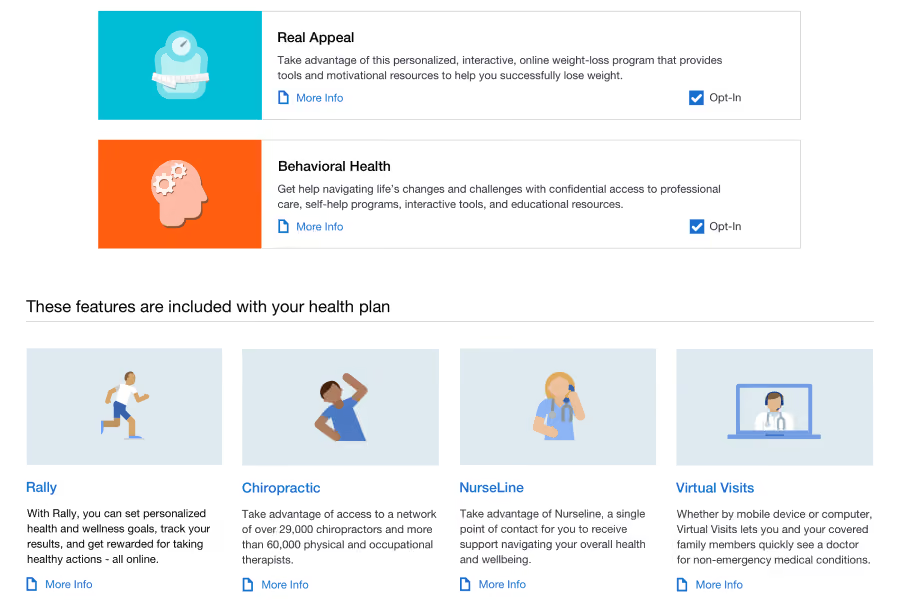
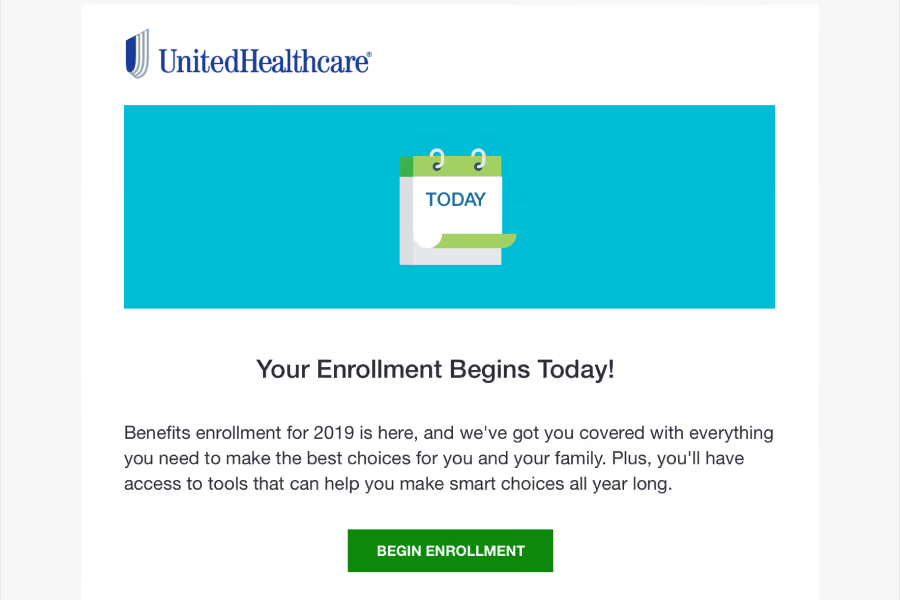
Project notes for Choice Enrollment on MyUHC.com
Evolving from working at a fast paced startup to being absorbed by one of the largest companies in America has challenges all its own. When that company is also the largest health insurer, complexity compounds quickly.
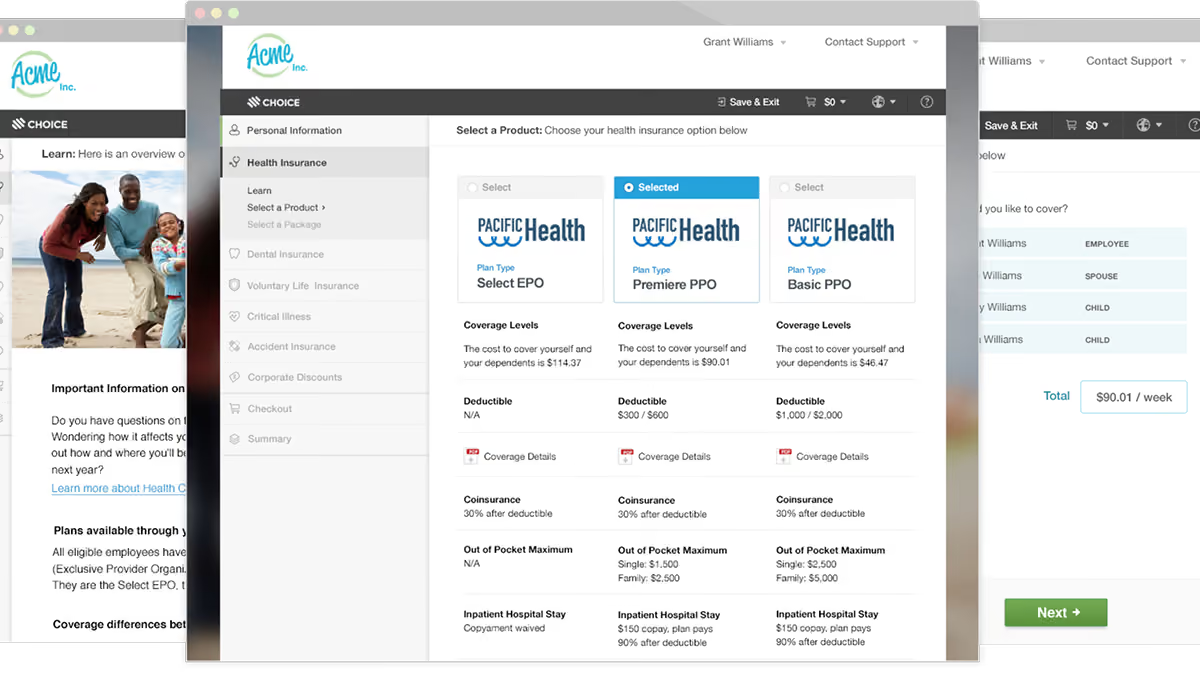
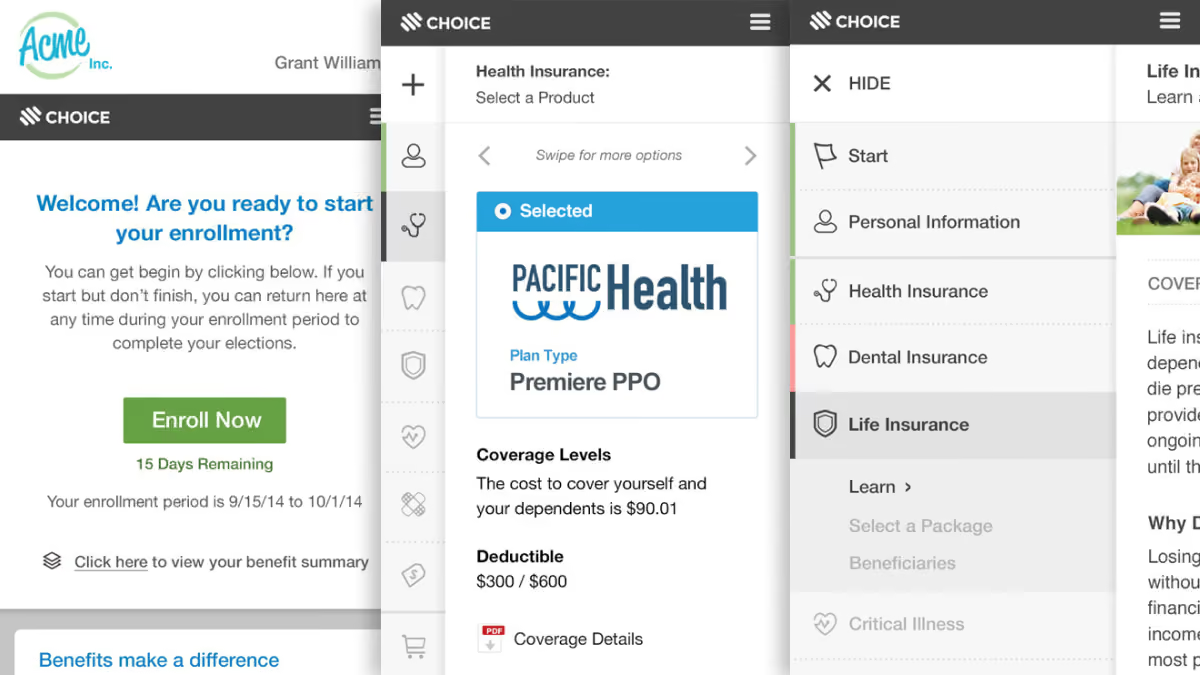
The standard benefits enrollment experience was tired and full of friction. My team knew something had to change in order to effectively move employees through the process with understanding and ease. By turning it into a conversation format with easy-to-answer questions that came one at a time, we gave members an experience that was unexpected and delightful.
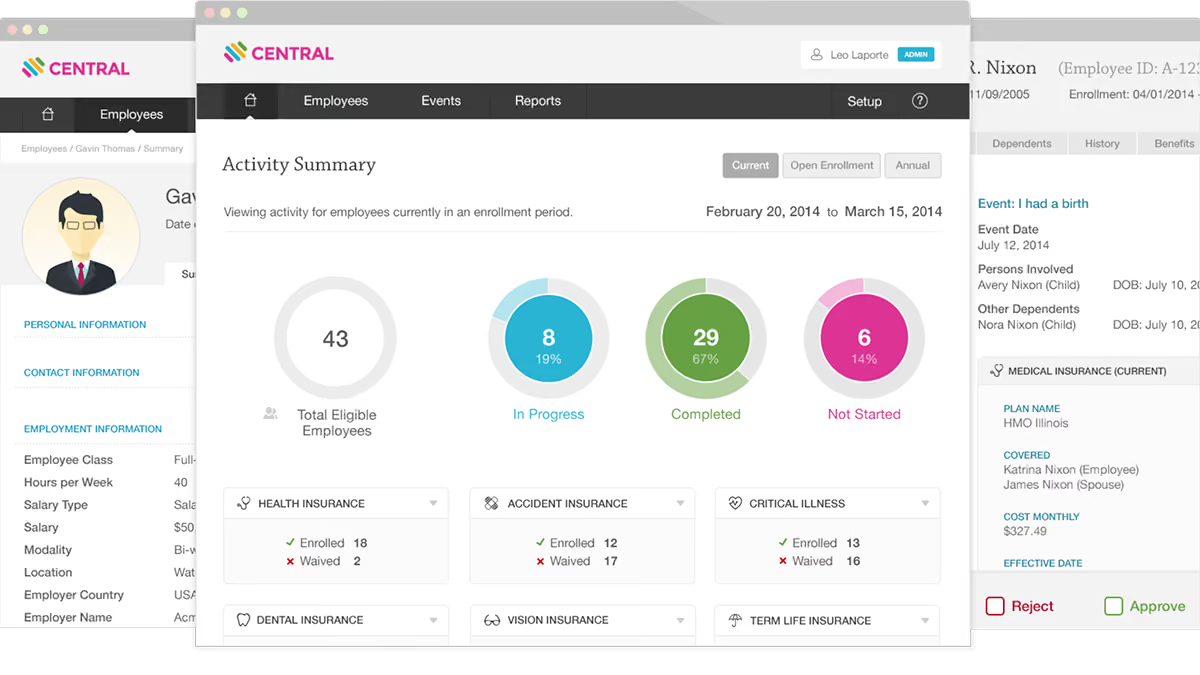
When I created our product naming strategy for Spotlite (further below), I dubbed the benefits enrollment tool Spotlite Choice. (The admin platform was Spotlite Central, the EDI product Spotlite Relay). After being acquired by Rally Health (also further below), enrollment stuck as Rally Choice. Then within the UHC enterprise, it held as Choice Enrollment - and even had a TV commercial that featured it.
At the time these products were deployed, Choice and Choice Admin were used by 67 enterprise clients and generating $15M in annual revenue. My team was spread across offices in Washington DC, Chicago, and San Francisco.
UnitedHealthcare - Individual Health Record
I led and designed alongside the team who built the first Individual Health Record (IHR) and Health Summary for MyUHC.com users.
Project notes for IHR on MyUHC.com
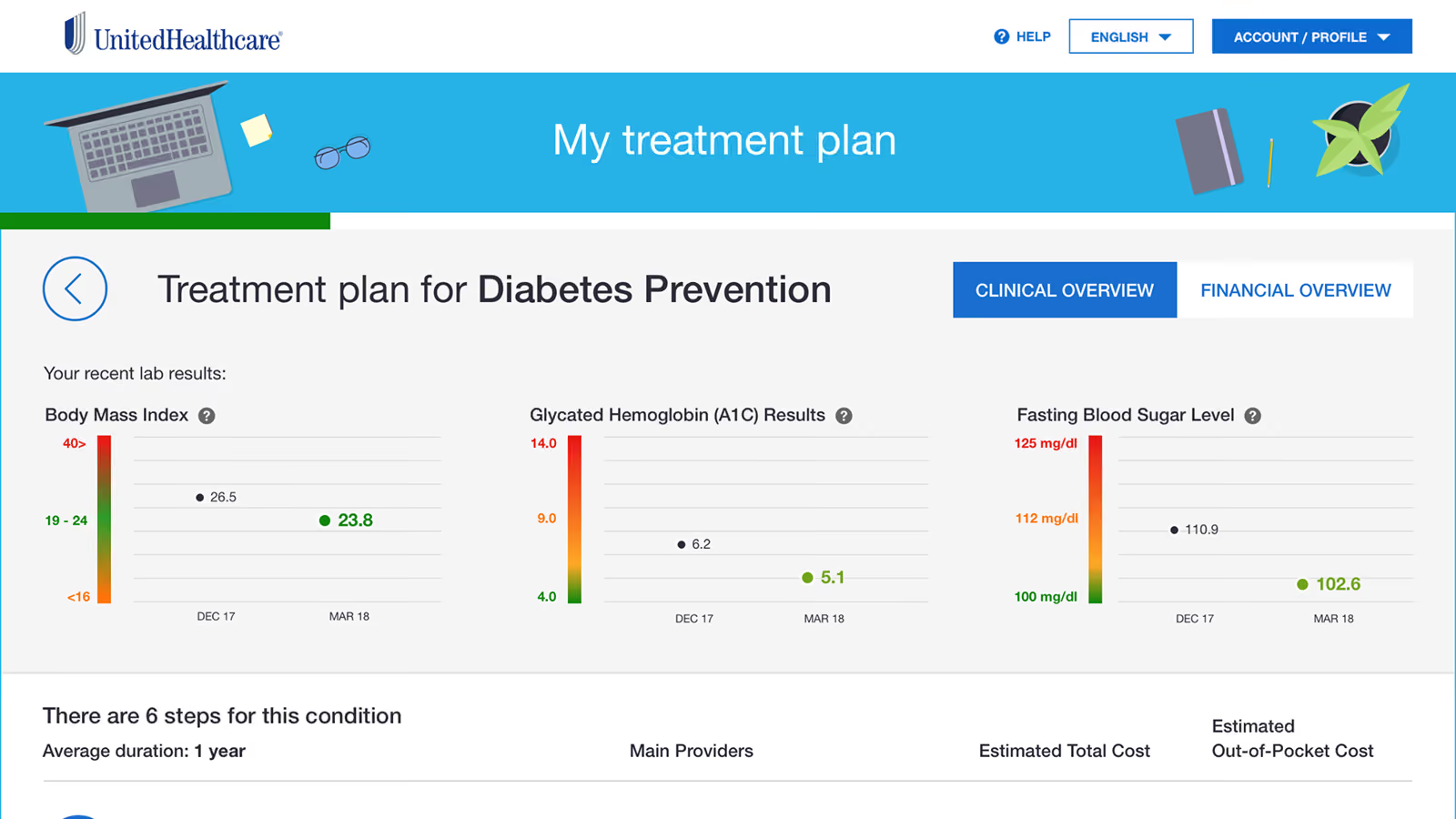
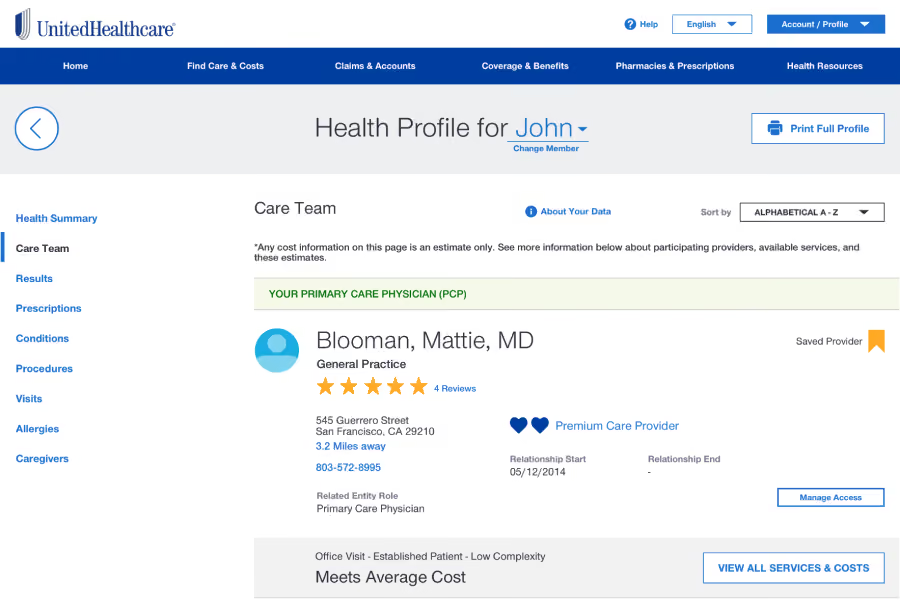
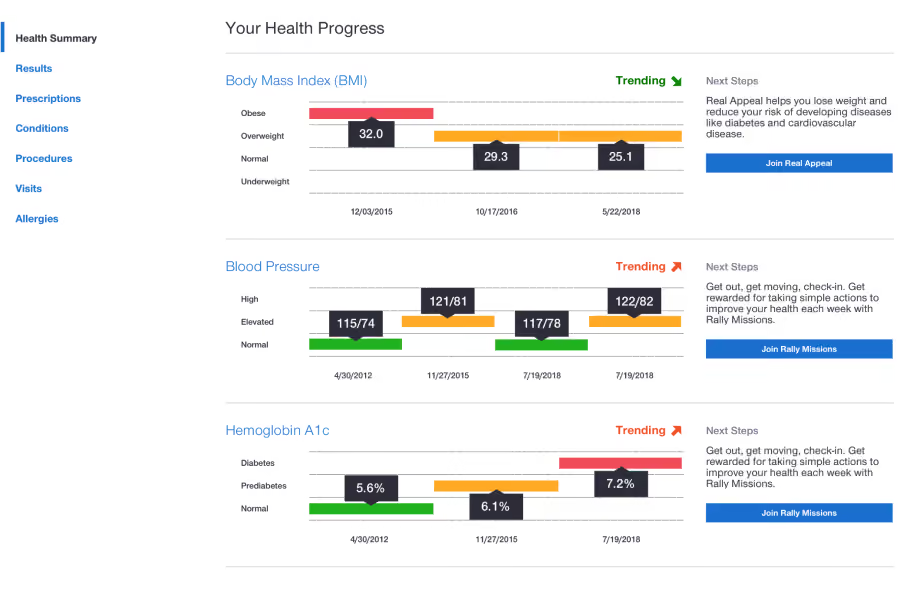
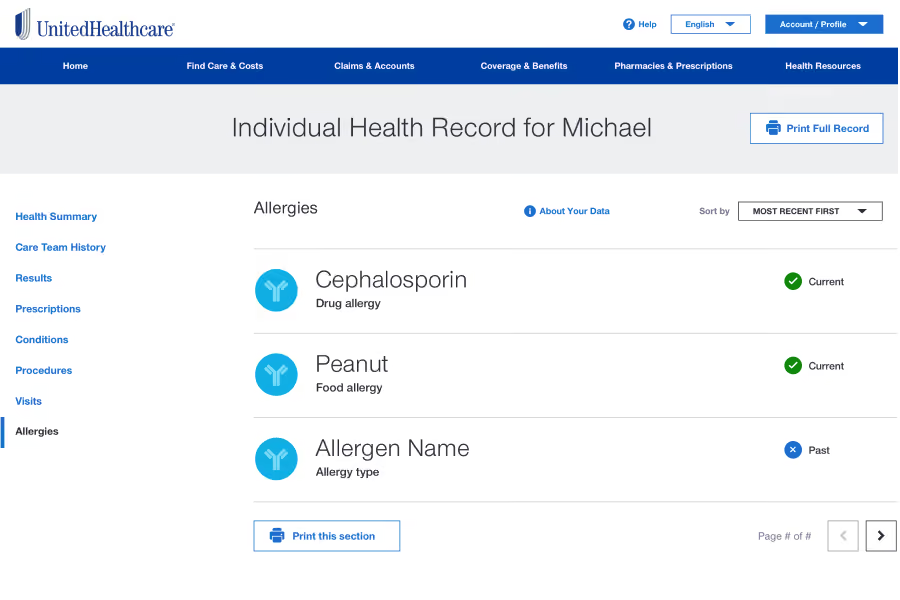
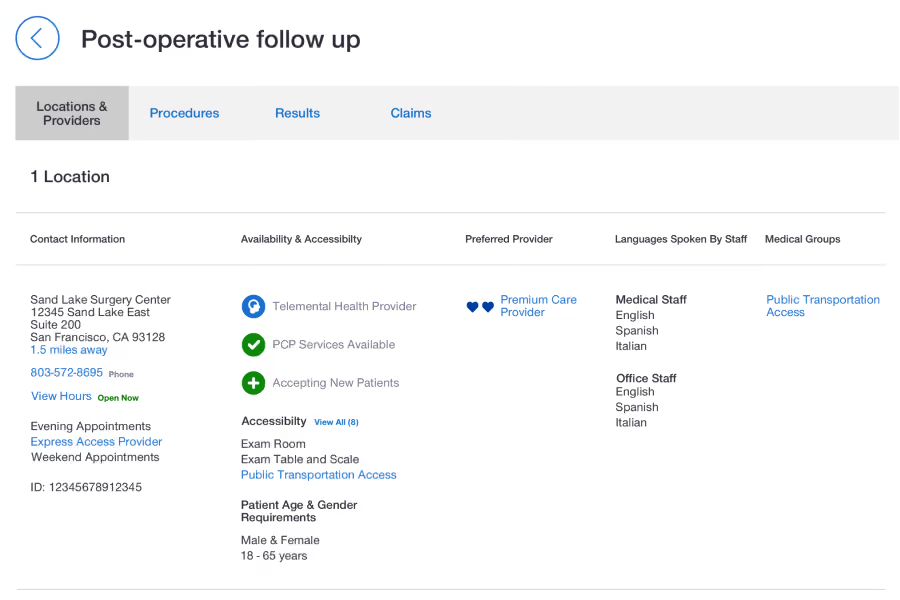
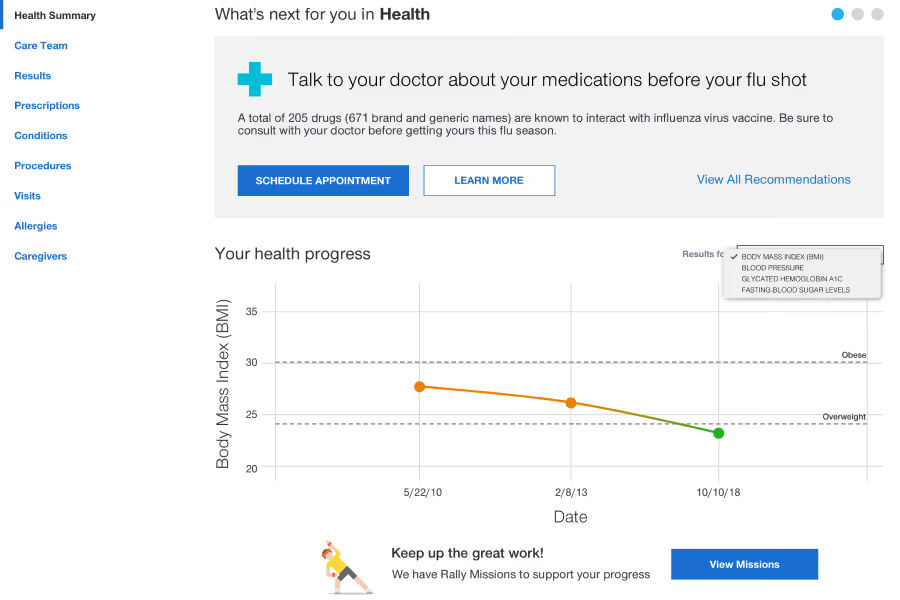
I thought complexity of data was challenging with medical and voluntary benefits plans (Choice Enrollment above). But then I got to designing the inaugural IHR and it said "hold my bee-... prescription." The IHR contained 9 unique sections, each of which needed to dynamically scale to accommodate the 20 million users' data which would come to life within it. They included a Health Summary, Care Team, Results (labs and exams), Prescriptions, Conditions, Procedures, Visits, Allergies, and Caregivers.
My team included a UX Researcher, UI Designers, a Data Visualization Designer, a Production Designer, and a Mobile Designer spread remotely from DC to Chicago to San Francisco.
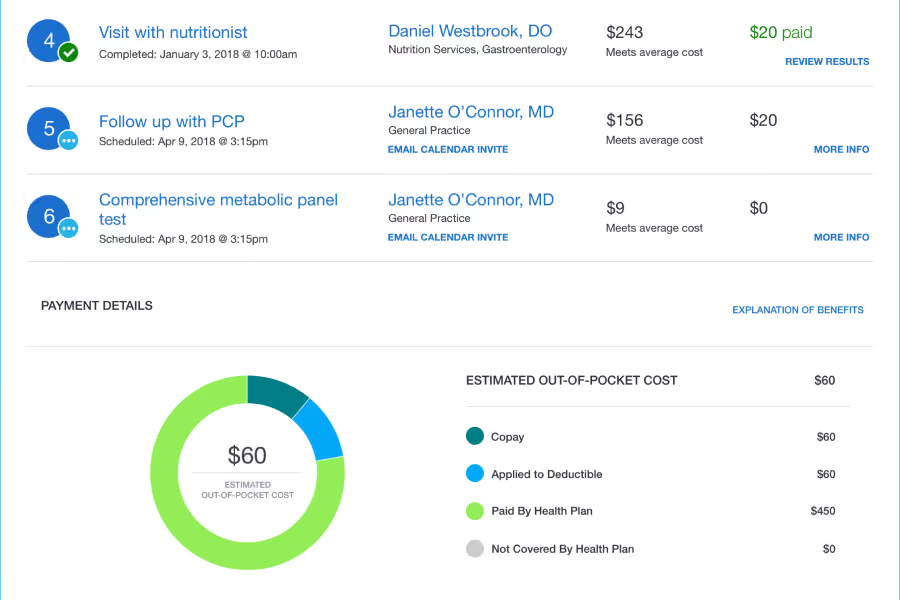
Near the end of my time at UHC, I was working in more of a special projects environment with two product VPs on the evolution of IHR, health dashboard, and treatment plan for David Wichmann (CEO) and the UHG board. I got to rapidly design and prototype user experiences that were getting significant airtime at a high level.
The goal of increasing primary care provider useage and making recommendations on next steps using data from results and visits were our primary objectives. Much of the real world evidence would come after my departure from UHC. Today, the Individual Health Record remains a staple of the MyUHC.com experience (though I have not personally been a UHC member to keep tabs on it for the past year).
Vertical
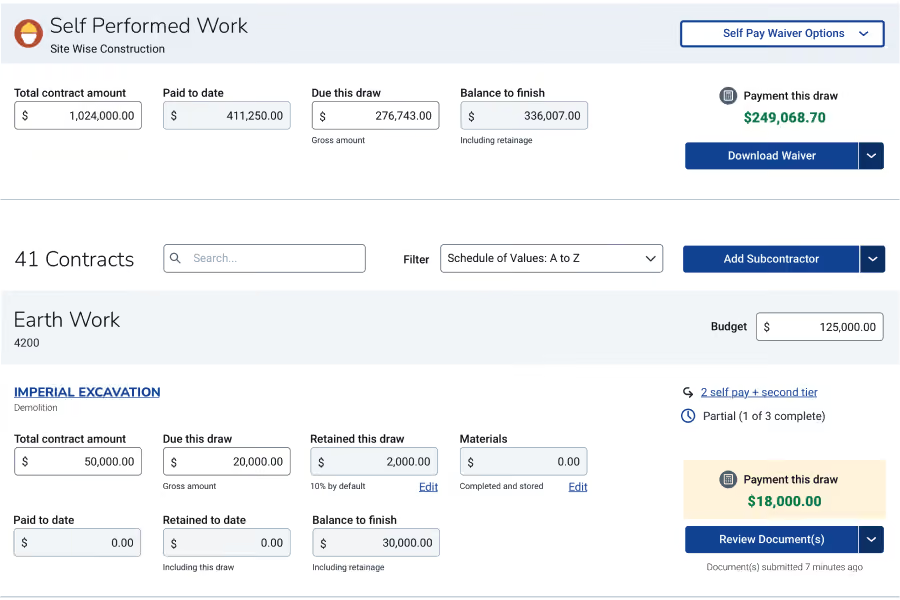
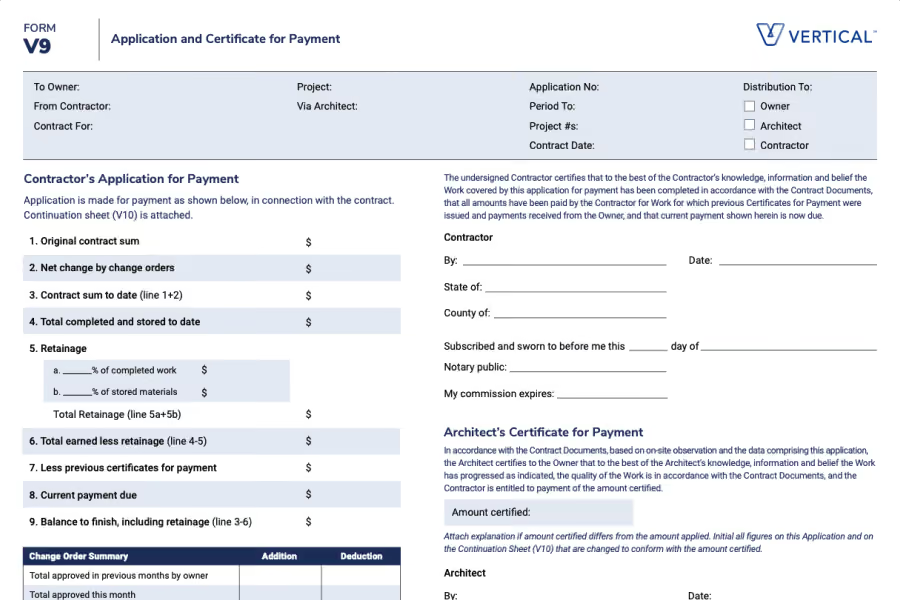
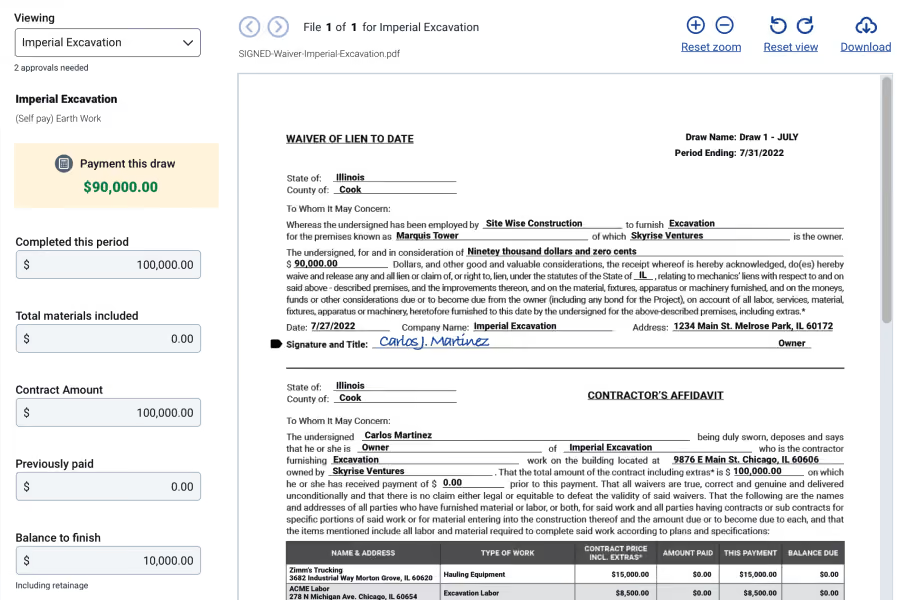
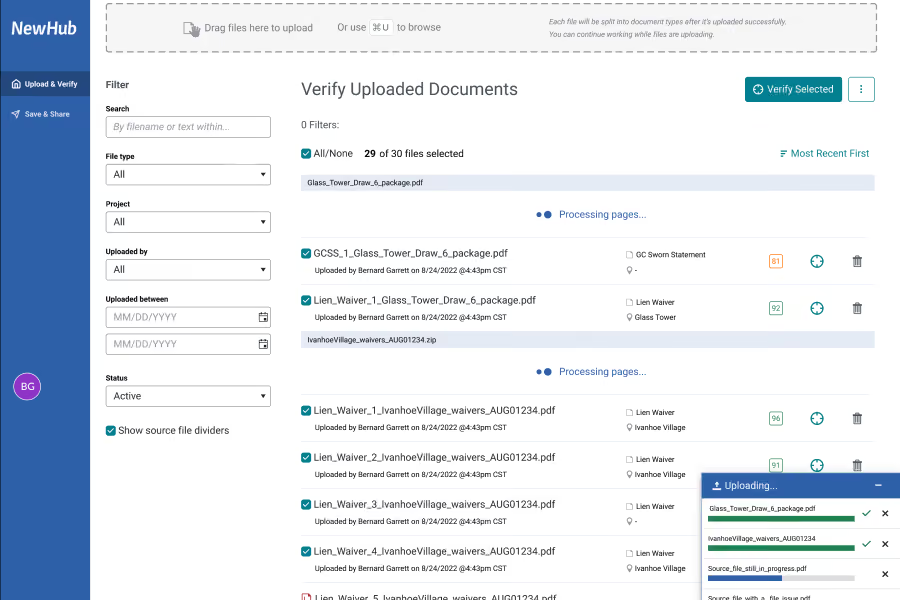
Project notes for Vertical
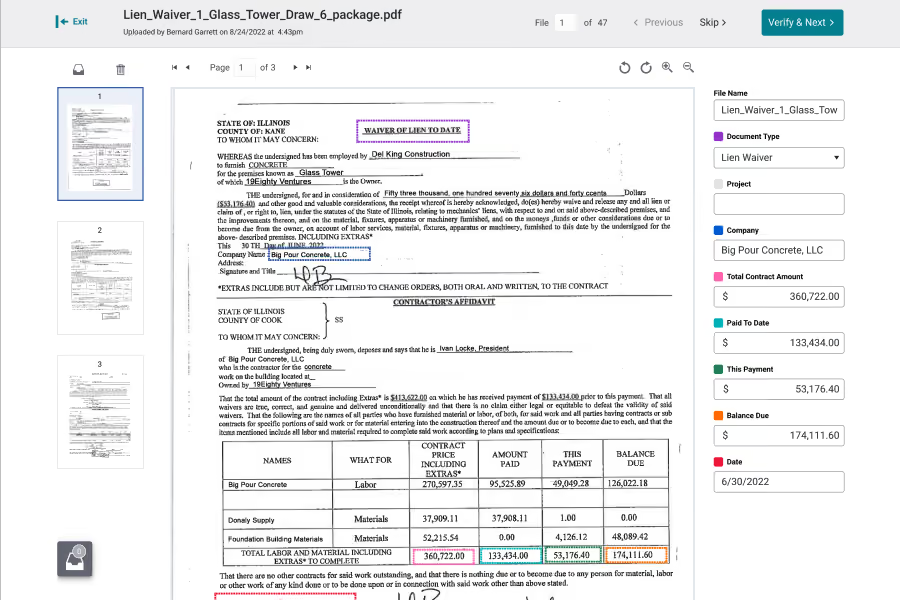
At one point about a year into my work here, I made the joke "I never thought I'd miss the simplicity of working in health care." This paperwork process that every project from high rise to strip mall goes through every single month with millions of contractors blows my mind. It's quite something to be solving a problem where billions of dollars are at stake.
Construction processes, like many other industries I'm sure, are built on Microsoft Excel to a great extent. Project Managers, Project Accountants, Controllers, Construction Escrow Officers... they've all got their spreadsheet that's been dialed in over the years and are reluctant to change. We may have been a little ahead of our time with the innovation, making our primary competitor the old (comfortable) way of doing things.
Building v1 of anything is a thrill when all you see is opportunity and a blank page. Having transitioned into this role out of the massive UHC environment that I left behind, the adrenaline of fast and new was amazing.
As we won clients like First American Title Insurance Co (the 2nd largest title company in the country) and Pepper Construction (one of Chicago's leading commercial builders), I also worked on our fundraising efforts with investors to grow the business and expand beyond the Midwest.
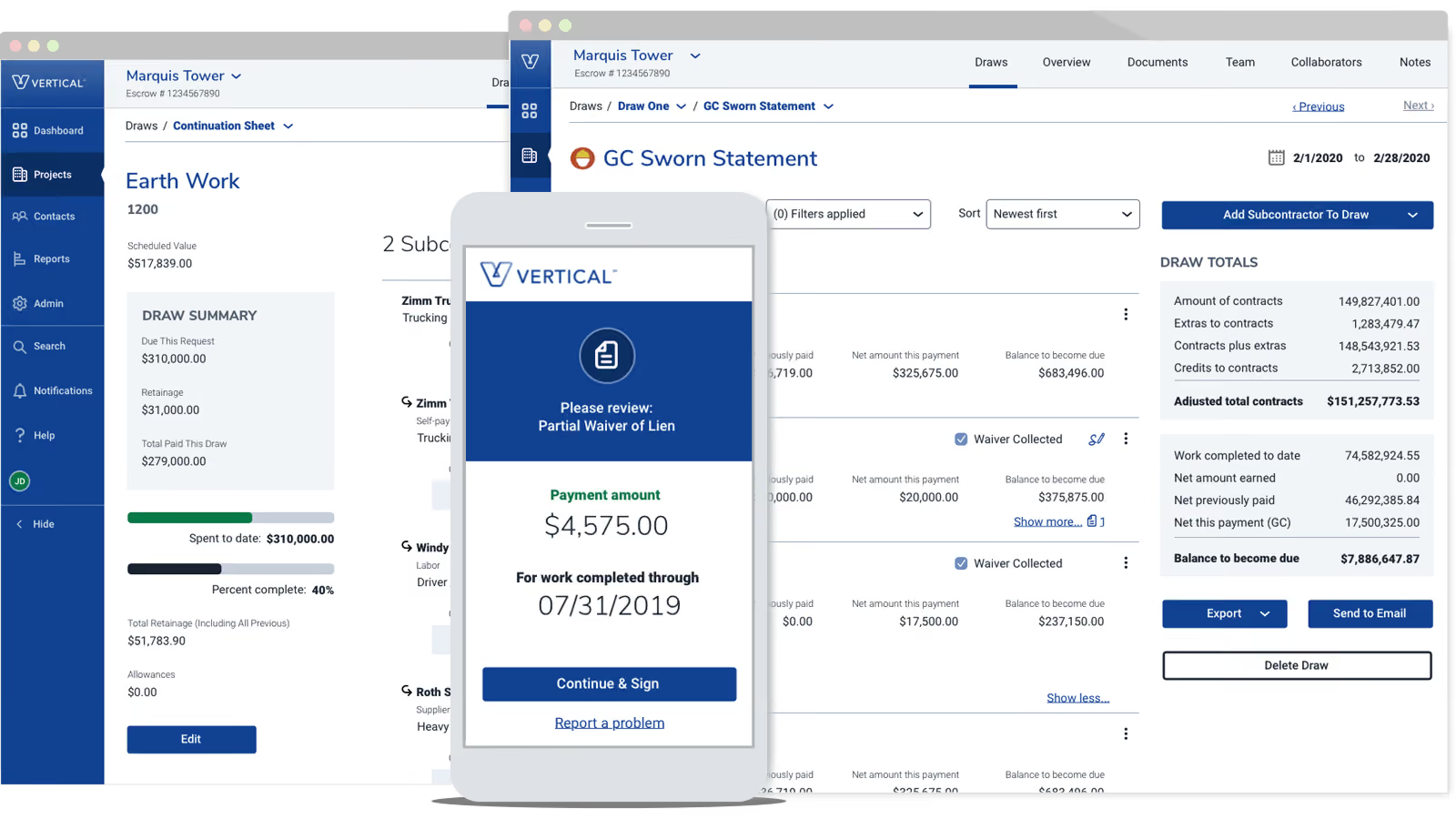
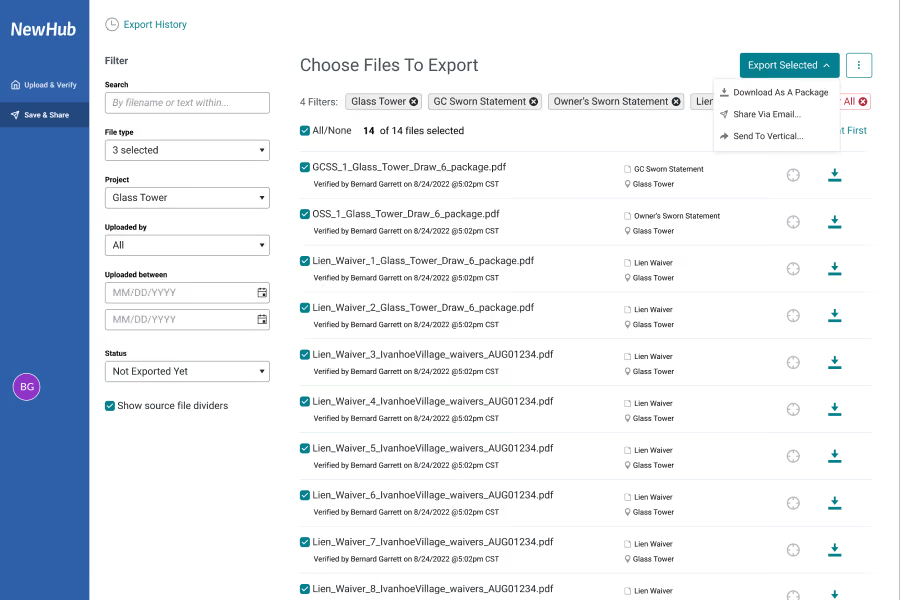
We reached ~$10B per year in contract value that was managed through the platform. This involved GCs creating lien waivers for every subcontractor, who received an account in Vertical. Those subcontractors then divided up their contracts into sub-sub contracts and created lien waivers for each of their hired hands. Once all the lien waivers were created, signed, submitted, and approved - the money was released for that month's draw and it started all over again the following month.
We had clients tell us that the number of errors was reduced significantly, and that payments were being received by subcontractors 30, sometimes 60 days faster as a result.
Rally Health & Spotlite
Project notes for Spotlite & Rally Health
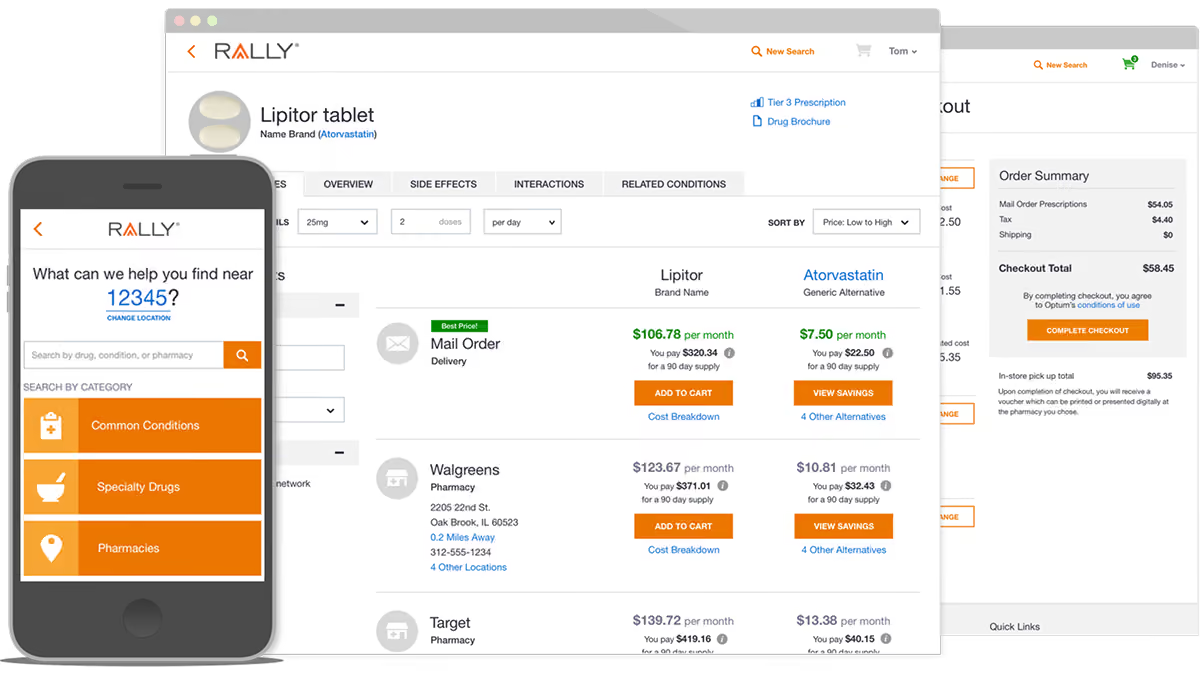
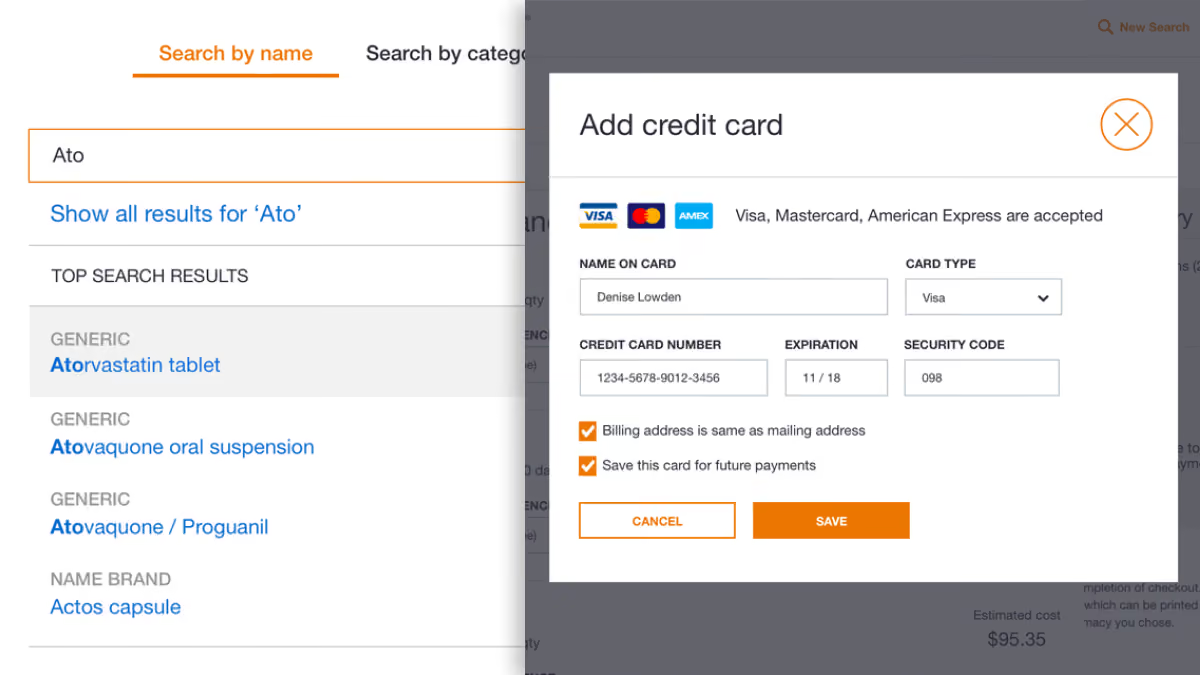
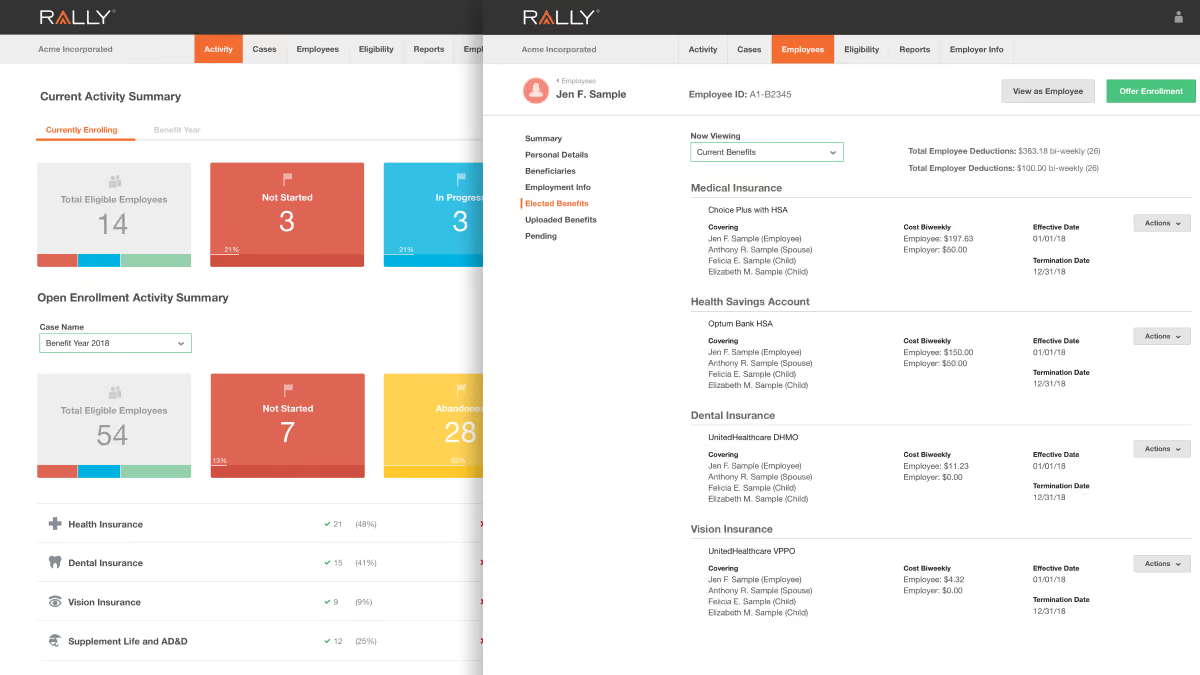
Benefits enrollment and administration was where I cut my teeth on product design. The work I led for Spotlite Choice and Spotlite Central was full of dependencies on complex data from carriers and networks, as well as the personal information of the enrollees and their dependents. Every piece of the UI had seemingly infinite combinations of coming into the user's real experience.
My wife and I moved our family across the country for me to take the role at Spotlite. Working in downtown Chicago (River North) in a brick loft space with a fast growing company was a fun scene to be a part of. I also got to work directly with engineers and product managers for the first time, which was new coming out of doing mostly marketing design work. The collaboration and intention of building product experiences had me hooked.
Spotlite was acquired by Rally Health after I had been there for 18 months. We changed offices in Chicago a few times as we continued growing, now part of Rally which also had offices in San Francisco and Washington DC. Rally Health was acquired by United Health Group for $3.9 Billion a few years later, with the intention that Rally would build all consumer facing experiences for member, gradually replacing that role held mostly by Optum.